
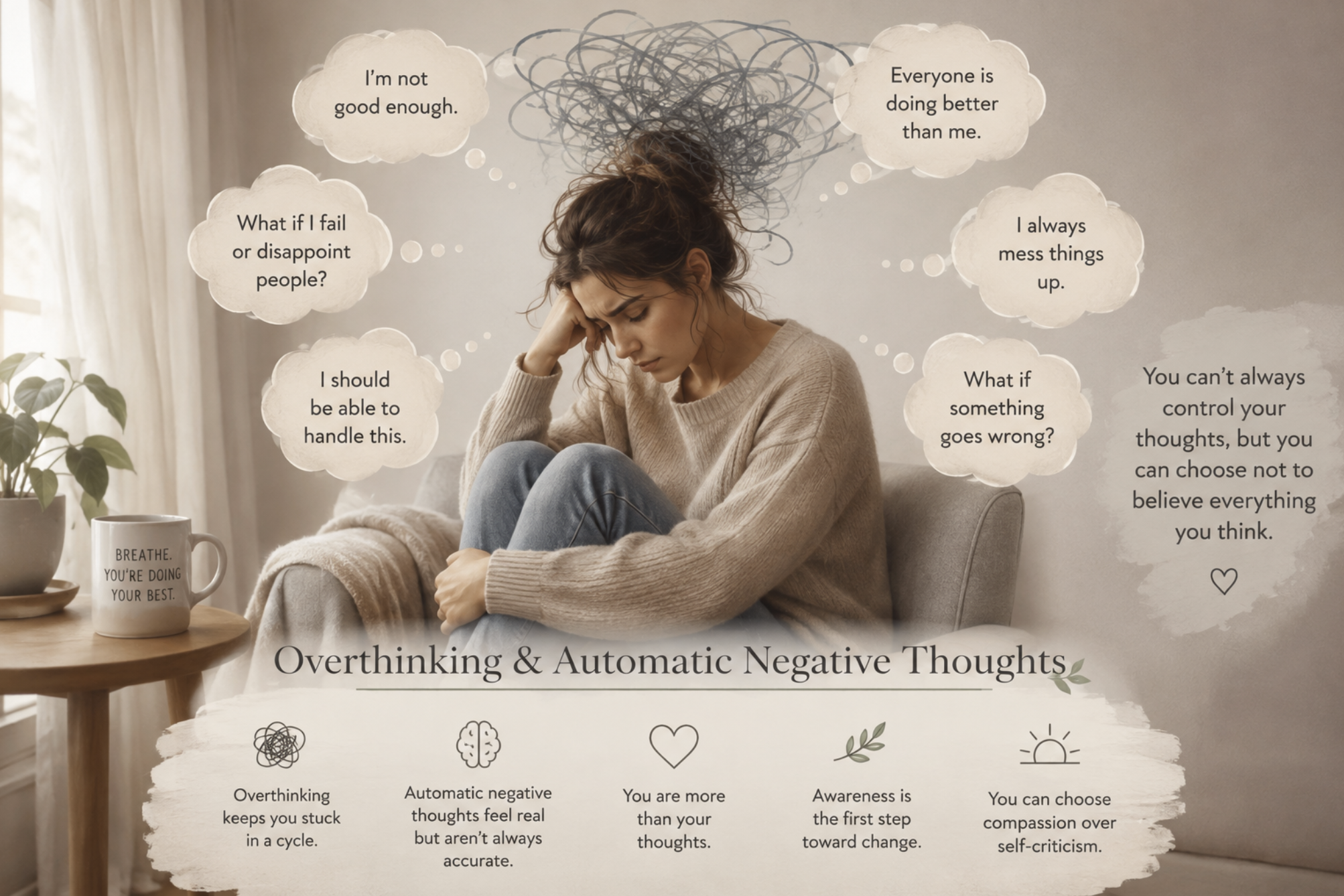
Mental Fitness: Pushing back on Automatic Negative Thoughts
We rarely question the thoughts that move fastest through our minds. A flash of self-criticism, a leap to the worst-case outcome, a quiet certainty that we have failed at something, these thoughts arrive so quickly that we mistake them for truth rather than interpretation. Over time, left unexamined, they shape mood, relationships, and self-worth far more than the actual events that triggered them. Learning to notice these patterns is not about becoming overly analytical or suspicious of every thought. It is about creating just enough space between a thought and a reaction to ask whether the thought is accurate, or simply familiar. That small pause is often where real change begins.
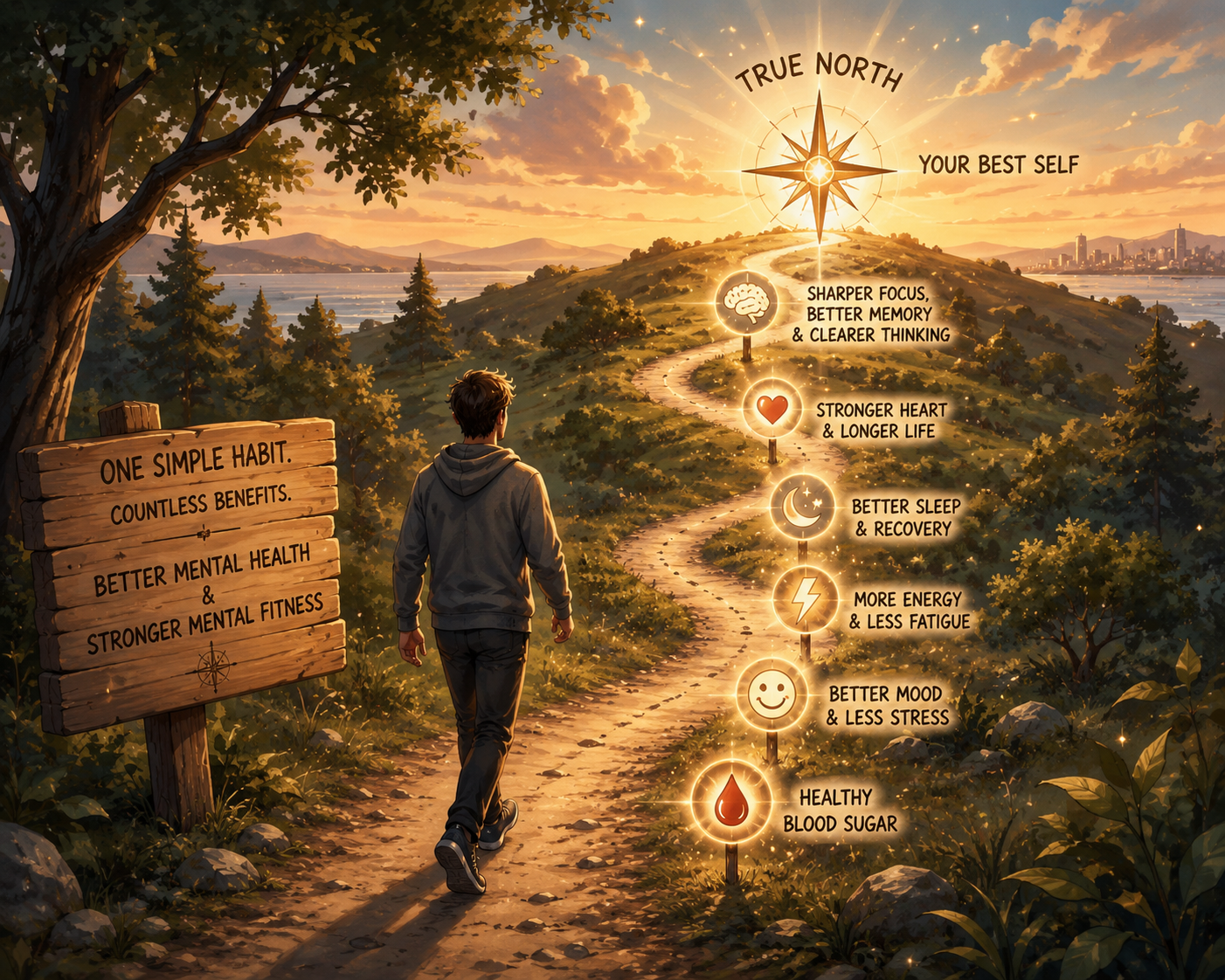
Why Walking Might Be the Closest Thing We Have to a Wonder Drug
What if one of the most powerful tools for improving your mental health and mental fitness was completely free? Discover the science behind walking and how even 10–15 minutes a day can improve mood, reduce stress, strengthen your brain, support blood sugar regulation, and build resilience for conditions such as ADHD, anxiety, depression, and burnout. Evidence-based, practical, and easier than you might think.

Beyond Goals: The Science of Living a Valued Life
Living by core values, rather than chasing external goals, builds resilience, reduces stress, and fosters secure, stable self-esteem. By treating life as a continuous journey toward "True North" rather than a series of checkboxes, you gain a sense of authenticity that is far less vulnerable to life's inevitable setbacks.

Adolescent Males and Mental Health/Fitness
Teenage boys face significant mental health issues, including anxiety, depression, and substance abuse, due to hormonal changes, societal pressures to appear strong, academic stress, and trauma. Support from parents, schools, and mental health professionals is crucial for fostering resilience and improving mental health outcomes.